Pain points & high-frequency scenarios
What first-time campers actually struggle with
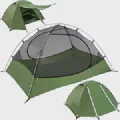
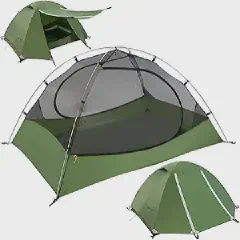
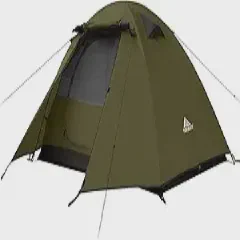
- Clostnature 1-6 person (B07D4J3J2R) is factory seam-sealed only — first-time campers report leaks at the floor seams after 2-3 rainstorms, fix requires $5 seam sealer
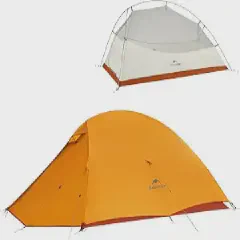
- Naturehike Cloud-Up 2P (B0DJX7RT3H) 20D silicone-coated nylon is more vulnerable to abrasion than budget 210T — pine-needle campsites wear through the fly faster
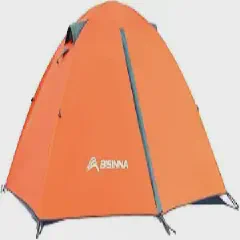
- BISINNA 2/4 person (B07NVDNX3Q) uses fiberglass poles — heavier at 6.4 lbs than aluminum alternatives, more fragile in cold weather
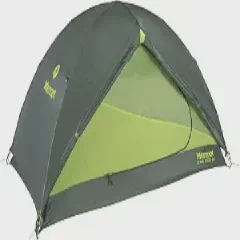
- MARMOT Crane Creek (B0754SP75F) is $160 — 50% more than Clostnature winner, premium build comes at real premium
- Forceatt 2/3/4 person (B0CB7MJ8TS) is the cheapest at $63 — budget-tier seam sealing leaks after 2-3 rainstorms, same factory-only quality issue as Clostnature
When this category gets bought
- First-time car camping, 2-night weekend trip, $300-500 starter setup
- Trigger: First 2-3 trips, car camping at established campgrounds, May-October weather
- For: Couples and families trying camping before committing to a tent trailer or van
- Pairs with: outdoor-lightweight (cheap starter kit), van-lighting (camp lantern)
- Vanlife multi-day, 4-7 nights off-grid, $700-1200 full kit with power + shelter + sleep
- Trigger: Frequent van traveler, off-grid camping 4-7 nights, needs full self-sufficiency
- For: Vanlifers who already have power + water + cooking in the van but need backup shelter and sleep
- Pairs with: solar-power (Jackery/EcoFlow), van-lighting (campsite lighting)
- Backpacking 3-season, 3-5 nights, ultralight kit under 25 lbs total
- Trigger: 3-season backpacking trips, weight-conscious, $500-900 ultralight setup
- For: Hikers who already do day hikes and want to try overnight without renting gear
- Pairs with: outdoor-lightweight (ultralight tent), modular-furniture (camp chair)
The cost frame: $300 starter vs $700 mid-tier vs $1500 ultralight
- $300-500 starter (entry-level) — Coleman 2-person tent, 30°F synthetic bag, foam pad, canister stove, basic headlamp. Survives 2-3 weekends per summer. Leaks at seams after 2-3 rainstorms. Bag is too cold below 50°F. Stove fails above 8,000 ft. Right for: 1-2 trips per year, established campgrounds, May-October only.
- $700-1200 mid-tier (3-season reliable) — REI or Naturehike 3-season tent, 20°F down bag, insulated air pad (R-value 3+), liquid-fuel stove, 300+ lumen headlamp. Survives 10-15 weekends per year. Stays dry in moderate rain. Bag is warm to 25°F. Stove works at altitude. Right for: weekly campers, vanlife backup, shoulder-season trips.
- $1500+ ultralight (backpacking 3-season) — Big Agnes or Zpacks shelter, 20°F down quilt, NeoAir XLite pad (R-value 4+), Jetboil MiniMo, Petzl Actik Core 600 lumen headlamp. Total pack weight under 25 lbs. Right for: backpackers who count ounces, multi-day trips where every lb matters.
- Where first-time campers overspend — ultralight gear when they should rent, premium tent for car camping (overkill), down bag when a synthetic would do. The cost curve is steep above $700 — incremental $300 buys 2 lbs weight savings, not 2x more nights.
- Where first-time campers underspend — sleeping pad (the cold-from-below problem), rain fly tensioning, headlamp backup batteries, and ground tarp. The most-returned item in starter kits is the pad — buyers didn’t realize R-value matters more than temperature rating.